Grassland Restoration and Functional Traits
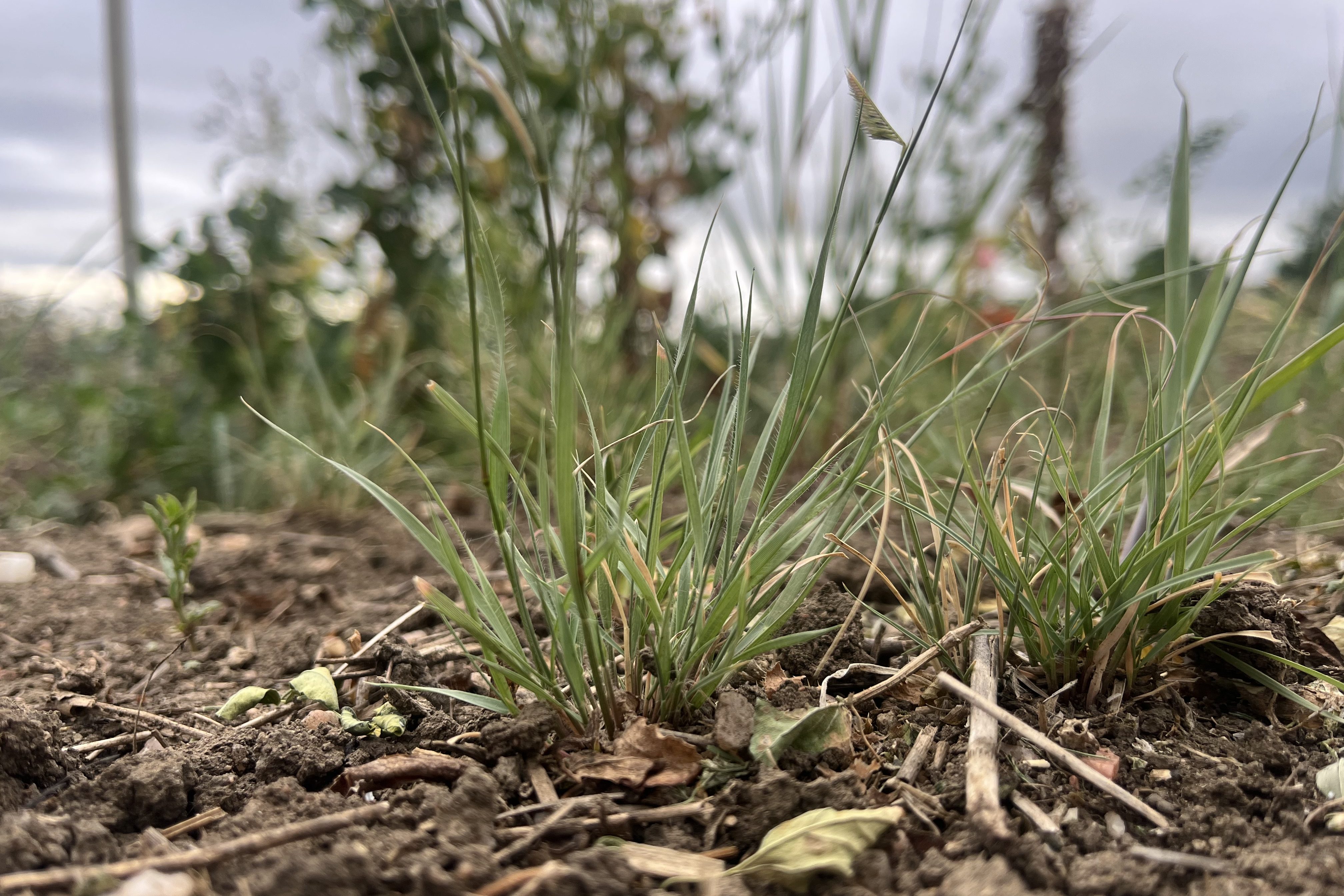
Grassland degradation, due to overgrazing, drought, fire, and annual grass invasion, has made restoration of perennial grasslands a priority. A key need is to establish native perennial grasses in the system, but efforts have met with limited success. Working with Dr. Nancy Shackelford at the University of Victoria, the Madsen Lab at Brigham Young University, the Denver Botanical Gardens, and the Suding Lab, I manage large scale restoration projects to address barriers to successful grassland restoration including individual and population emergence, recruitment, and persistence and community assembly. I am exploring how biotic and abiotic microsites impact establishment and survival of native Colorado grasses and grassland communities. I rely on numerous plant functional traits—morphological, physiological, or phonological traits of a plant that effect fitness—to predict and determine restoration outcomes.
Bud Banks: Development and Demographics
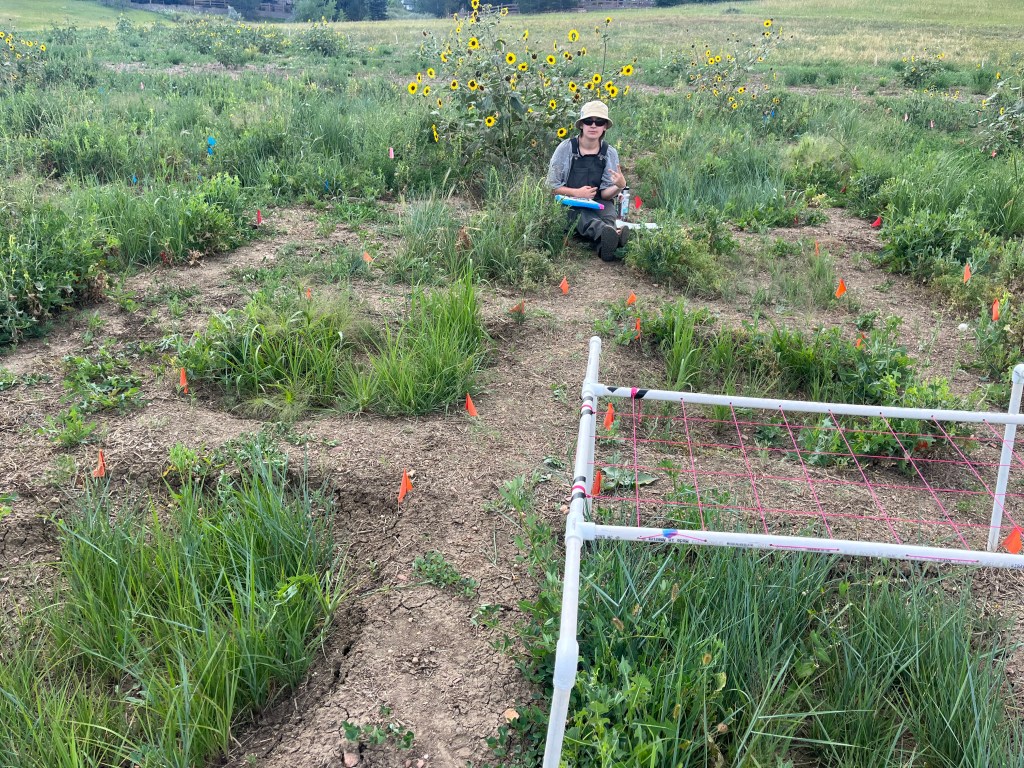
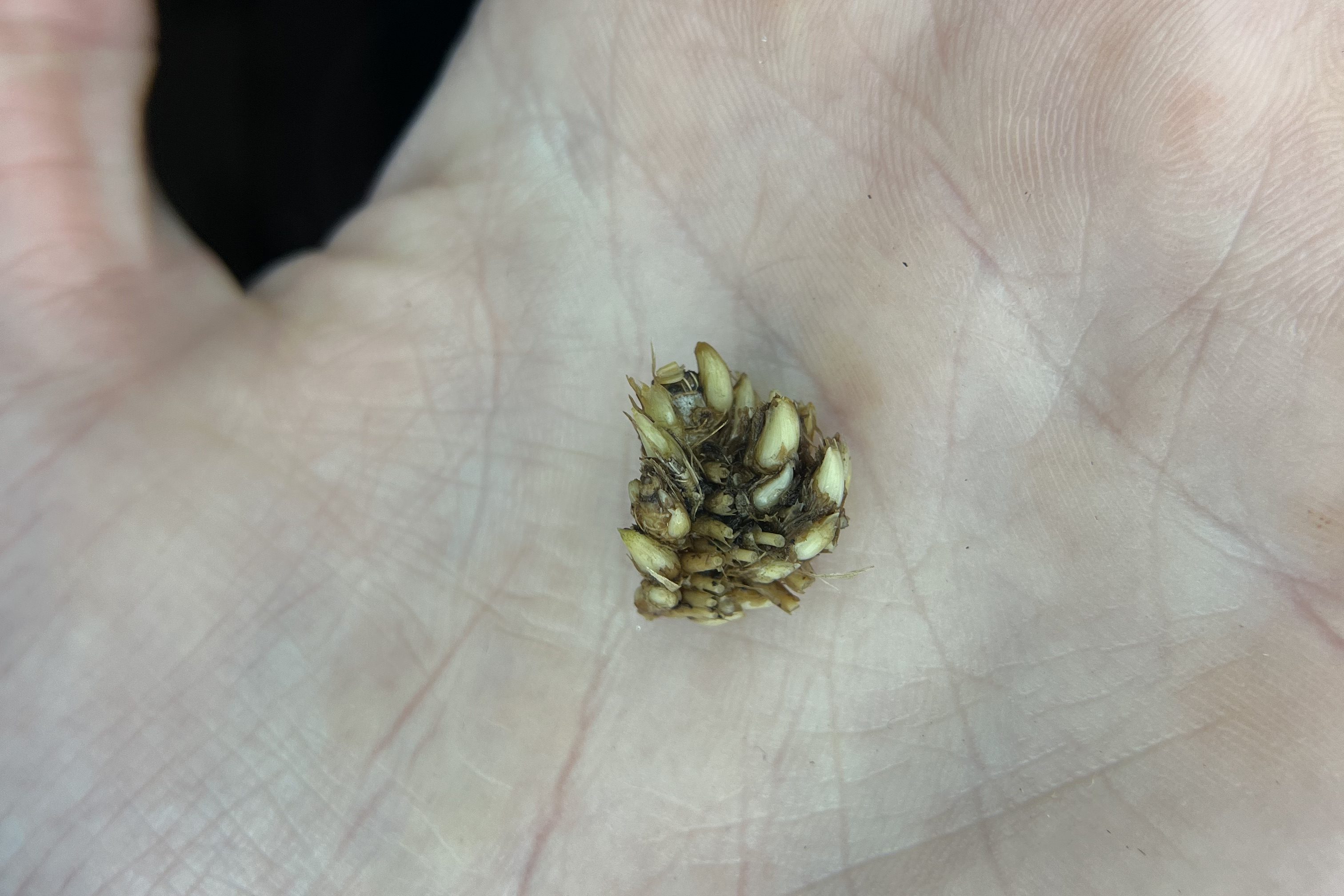
Belowground buds, the vegetative reproductive tissue on belowground organs (e.g. rhizomes) that enable yearly growth, develop as a plant matures. Belowground buds are essential to initiate growth at the start of each growing season in temperate climates and in response to disturbance—fire and grazing. There has been widespread work on seedling establishment from seed and on dynamics of established mature communities, including recent work on bud bank dynamics indicating their critical role in grassland dynamics. Yet, there has been less work on transition of seedlings to mature adults: How do bud banks develop as plants age and grow in size? What factors may slow or accelerate bud natality?
Through collaboration with Dr. Jackie Ott (USFS) and Dr. Harmony Dalgleish at the College of William and Mary, we are interested in expanding our knowledge of the bud bank, from both a community and population perspective. Additionally, I am interested in integrating bud banks in to existing regeneration trait frameworks.
LGBTQ+ Experiences in Ecology
As a marginalized group with concealable identities, LGBTQ+ students face unique challenges in college classrooms. In STEM disciplines with a field component (e.g. ecology, geology, etc.), LGBTQ+ students may face additional barriers. We need to determine if field-based courses are generating a bottleneck for LGBTQ+ persistence and progression in ecology. In these courses, LGBTQ+ students not only juggle their gender identity/expression and sexual orientation in the classroom, but may be traveling and/or lodging with their fellow classmates and instructors. Situations like these in college-level courses could place additional stress on LGBTQ+ students, particularly trans and gender nonconforming students (TGNC). Determining the loss of LGBTQ+ students in ecology as a result of field experiences is a critical next step for increasing diversity and inclusion in a discipline that historically excluded marginalized communities.
Previous work has shown that LGBTQ+ students are forced to consider “coming out” in active learning classrooms—differing from traditional lecture-based classrooms where personal information (like the gender of the person you are dating) is less likely to be shared. We posit that field-based courses are an extension of active learning classrooms, where students are not only engaging in class discussions where personal information may come up, but are also spending travel time or downtime with their class peers and instructors. Beyond this, field-based courses with overnight trips compound this stress by including a lodging component. When rooming is almost always determined based on gendered assumptions by the instructor, this could be a deterrent to LGBTQ+ individuals, including TGNC students whose gender identity does not match campus documentation.
Working with Dr. Lisa Corwin and Dr. Scott Taylor at the University of Colorado Boulder, Dr. Aramati Casper at Colorado State University, and Dr. Sarah Eddy at the University of Minnesota, we are working to determine the existence and extent of this bottleneck.
 Sam Ahler